#ThisIsAppalachia: Reclamation
Last November, the Sierra Club reported: “President Biden signed the Infrastructure Investment and Jobs Act into law, which includes $11.3 billion in new Abandoned Mine Land (AML) funding. These funds will put thousands of people to work repairing land and waterways damaged by mining, treating polluted waters, sealing, and filling abandoned mine entries, and developing erosion prevention measures to protect against dangerous land and mudslides.”Bonnie Swinford, senior organizing representative for the Sierra Club in Tennessee, said, “Abandoned coal mines and the waters and lands they pollute threaten our communities long after the coal industry has come and gone. ‘These investments create an unprecedented opportunity to make our communities safer and cleaner while also creating good-paying jobs and new opportunities to build diverse new businesses and economic opportunities.”According to the Environmental Protection Agency, abandoned mine lands (AMLs) are those lands, waters, and surrounding watersheds where extraction, beneficiation or processing of ores and minerals has occurred. AMLs can pose serious threats to human health and the environment. Recent bipartisan votes in Congress renewed hope for serious actions to deal with past mining damage to the Appalachian region.In July, the Federal Government released guidance to states and tribes on how to administer new funds in the Abandoned Mine Land (AML) Funding they will receive as authorized by the 2021 bipartisan infrastructure law known as the Infrastructure Investment and Jobs Act. As described by Appalachian Voices, “The final guidance provides clear parameters for these investments, turning the spotlight on states and tribes to spend these dollars in a way that maximizes environmental benefits, local job creation and economic growth.”Appalachian Voices in a press release dated July 21 this year described the significance of the bipartisan funding:“These historic investments are poised to make a real difference in improving our communities, but it really is in the hands of the states to determine whether or not they share the goals articulated in the federal guidance,” said Rebecca Shelton of Appalachian Citizens’ Law Center. “We know it won’t be easy, but we hope they do share them as we need as much focused effort as possible on remediating these hazards and the creation of local, safe, good-paying jobs.”The final guidance from the Department of Interior includes important provisions, such as:
- Directing states and tribes to prioritize mine reclamation projects that qualify for Justice40, a Biden Administration initiative that aims to deliver 40% of the overall benefits of certain federal investments to disadvantaged communities.
- Requiring states and tribes to incorporate public engagement to help determine which abandoned mine land sites to prioritize for clean-up.
- Recommending the use of project labor agreements or unionized project workforce for projects over $1 million dollars.
- Encouraging states and tribes to prioritize larger projects and those that can be aggregated into large contracts.
- Requiring that projects use Davis Bacon prevailing wage laws. In areas where prevailing wages are not currently required and grant contracts go to the lowest bidder, this new requirement will ensure that contractors do not reduce wages in order to win contracts.
- Recommending that states and tribes develop project lists that are made available for public input at least 60 days prior to submitting their grant application.
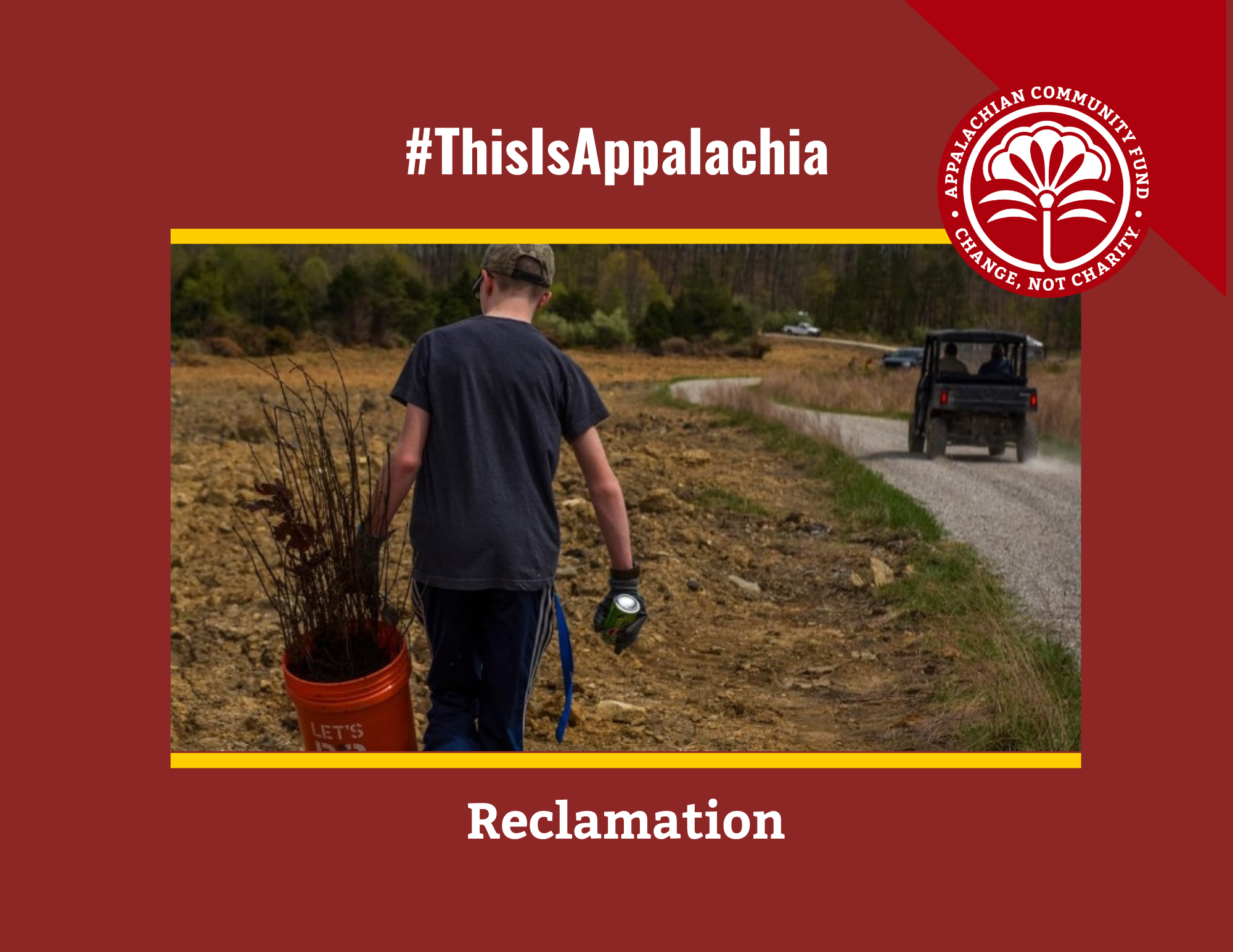
Historically, implementation of the AML program has not prioritized workforce needs. However, many of the recommendations included in the final guidance will benefit workers, ensure good-paying jobs are created by these AML investments, and increase overall effectiveness and efficiency of the program — if states and tribes follow recommendations and guidelines.“States and tribes have an unprecedented opportunity to transform coal-impacted communities with this historic funding,” said Chelsea Barnes, legislative director for Appalachian Voices. “We urge state and tribal governments to collaborate with local communities as well as environmental, education, economic and labor groups to maximize the local benefits of the new abandoned mine land funding in line with the strong guidance issued today.”“This Guidance marks a new era in prioritizing workers in mine cleanup,” said Eric Dixon, senior researcher with Ohio River Valley Institute. “While there are still worker policies I wish the bipartisan infrastructure legislation included, department officials have done a good job of providing the tools to secure a ‘good-paying, union’ workforce reclaiming America’s abandoned mines. Now it’s up to the governors and their AML agencies to work with labor and cleanup contractors in making real the promise of good-paying construction careers remediating polluted water and leaky mines.Regional organizations had joined together to provide detailed recommendations on provisions of the guidance to enhance public engagement, workforce support, grant accessibility and more: Appalachian Citizens’ Law Center, Appalachian Voices, Jobs With Justice – East Tennessee, The Ohio River Valley Institute, Sierra Club, Statewide Organizing for Community eMpowerment (SOCM), The Alliance for Appalachia, and West Virginia Rivers Coalition.“The final guidance sets up the opportunity for an ambitious win-win-win for workers, the environment, and for the economy.” said Dana Kuhnline, campaign manager, ReImagine Appalachia. “We were heartened to see so many of our priorities for efficient, just and worker- friendly implementation included in the final guidance. In the coming years, reclamation jobs will boom. We are looking forward to working with the DOI and state agencies to help ensure that these new jobs turn into good, family-sustaining careers for workers.”Of course, mine reclamation is never complete in one step. These efforts need continuing awareness and involvement. You can be a part of helping these organizations involve their communities in the state policies using the federal funding. They can, with your involvement, assure that solutions are planned on a long-term basis.Photo: Zachary Brumley, 15, of Cynthiana, Ky., helps plant trees in the Mount Victory community of the Daniel Boone National Forest. (The Green Miles, photo by Jahi Chikwendiu, Washington Post) Feb. 13, 2020)
Contact Walter Davis, walter@appalachiancommunityfund.org, if you have a positive story about people, places, and things in Central Appalachia.